The first step of Chestny Znak registration is Russia’s qualified electronic signature (UKEP). What it means for a foreign exporter and how it is obtained, step by step.
Code volume, labelling method, EDI subscription, setup and packaging type — the five factors that determine the cost of Chestny Znak labelling, and where you should and should not economise.
Baked goods enter mandatory labelling in Russia on 1 May 2026 and chocolate and confectionery on 1 July 2026. A preparation timetable and checklist for food exporters.
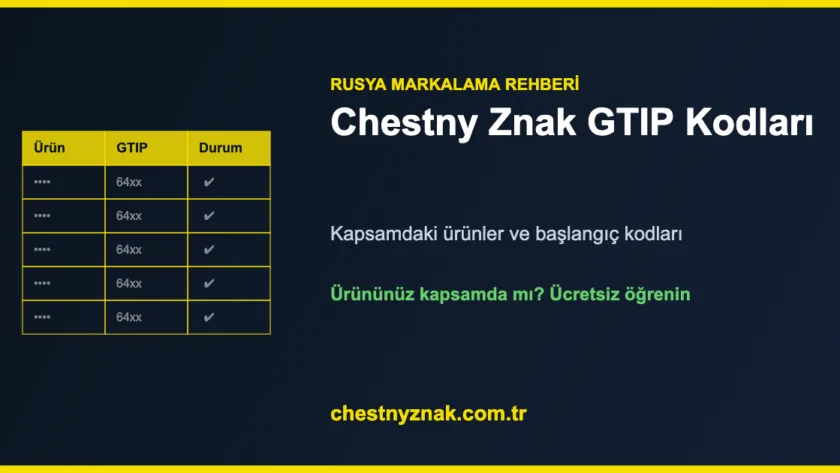
The difference between a customs code and a GTIN, why a GS1 barcode is required for export to Russia, how to obtain one and how it connects to the Chestny…
Which goods are banned and which are restricted when exporting to Russia in 2026: sanctions scope, dual-use items, Chestny Znak and EAC requirements, with a pre-shipment checklist.
Products exported to Russia must carry a DataMatrix code before customs clearance. Where and how pre-customs labelling is done, the EDI requirement from 1 March 2026, and how we run…
What Chestny Znak is, which products it covers and how to complete an export without getting stuck at customs — registration, DataMatrix codes, labelling and customs in one guide.
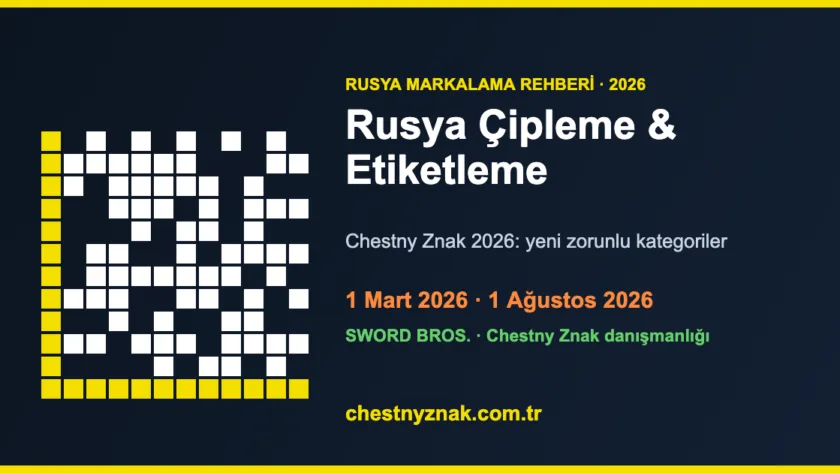
From 1 March 2026 protective clothing, helmets, life jackets, belts and work gloves come into scope; from 1 August unlabelled light-industry stock can no longer be sold.
A 2026 guide to Chestny Znak: which products are covered, the electronic document (EDI) requirement from 1 March 2026, DataMatrix codes and CRPT registration step by step.
Mandatory labelling, customs, language, payments and logistics are where exporters get stuck. What an end-to-end partner actually takes off your hands.